Posts

On the rocks.

Image
Killdeer nests are basically a  shallow scrape in the ground. They will add rocks, sticks and bits of shells to the nest. This one is in the gravel at the edge of a parking area. I took the photo from the vehicle and left the area quickly to avoid stressing the bird. Charadrius vociferus The Killdeer’s broken-wing act leads predators away from a nest, but doesn’t keep cows or horses from stepping on eggs. To guard against large hoofed animals, the Killdeer uses a quite different display, fluffing itself up, displaying its tail over its head, and running at the beast to attempt to make it change its path. source - Cornell Lab of Ornithology.

Blackburnian warbler.

Image
Not the best photo I've taken of this warbler species but a really nice surprise while walking a trail. Five species of warblers have warblers have been seen in the last few days along with other spring migrants. Setophaga fusca No other North American warbler has an orange throat The Blackburnian Warbler is territorial on its breeding grounds and solitary in the winter. It forms flocks only during migration. source Cornell Lab of Ornithology.

Excavation

Image
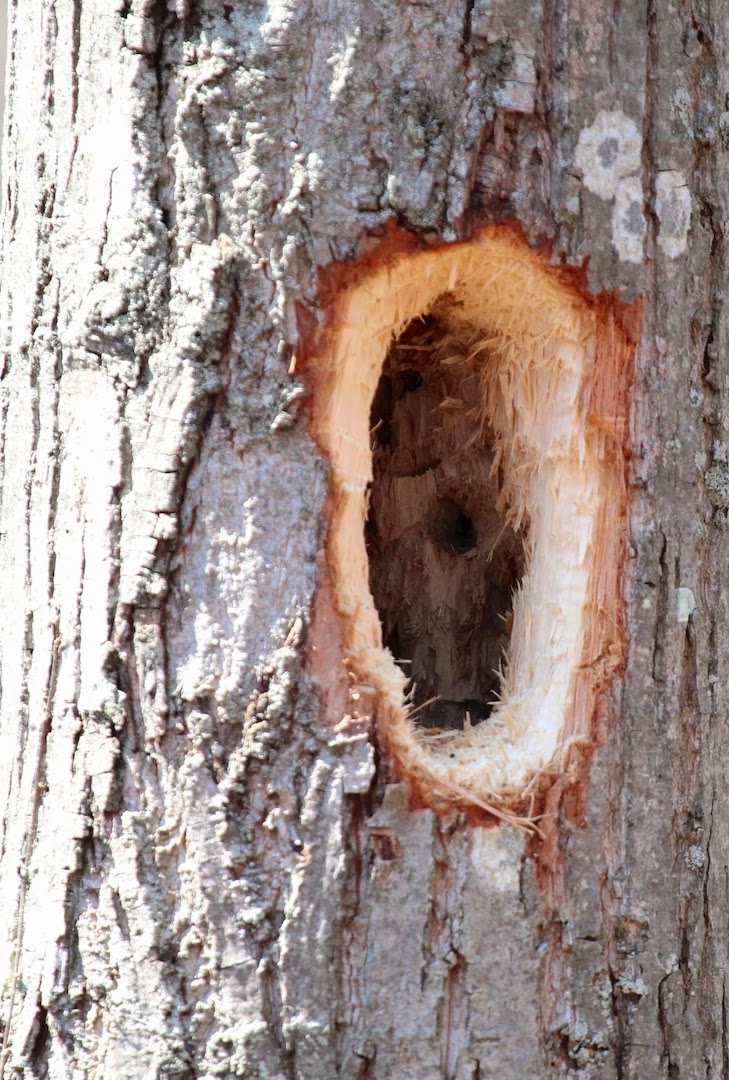
EXCAVATION 1 :  the action or process of excavating 2 :  a cavity formed by cutting, digging, or scooping This is a hole made by a pileated woodpecker they are unique rectangular holes in the wood. T he nest holes these birds make offer crucial shelter to many species including swifts, owls, ducks, bats, and pine martens. Dryocopus pileatus A Pileated Woodpecker pair stays together on its territory all year round. It will defend the territory in all seasons, but will tolerate new arrivals during the winter. source Cornell Lab or Ornithology.

Levitation

Image
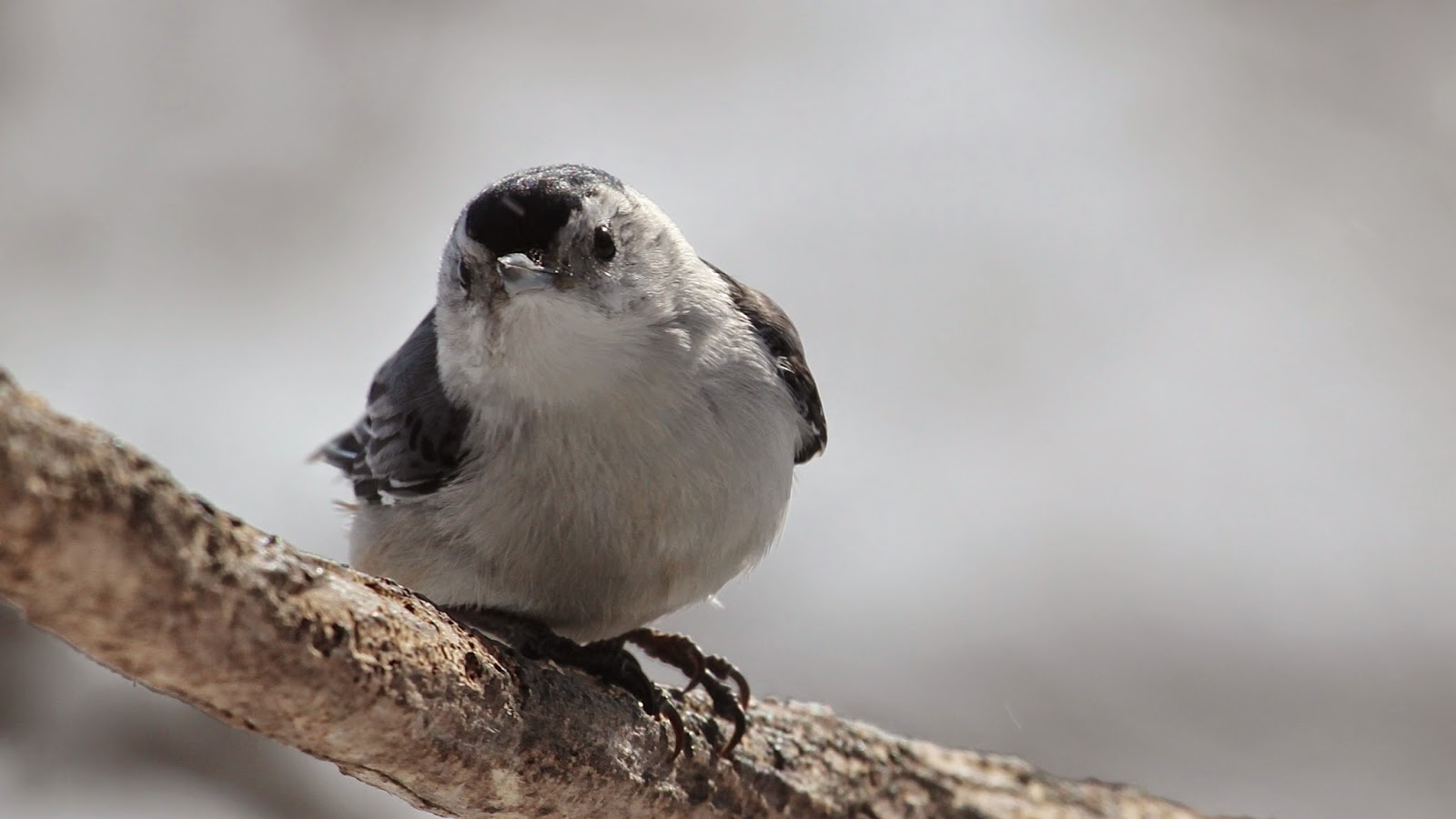
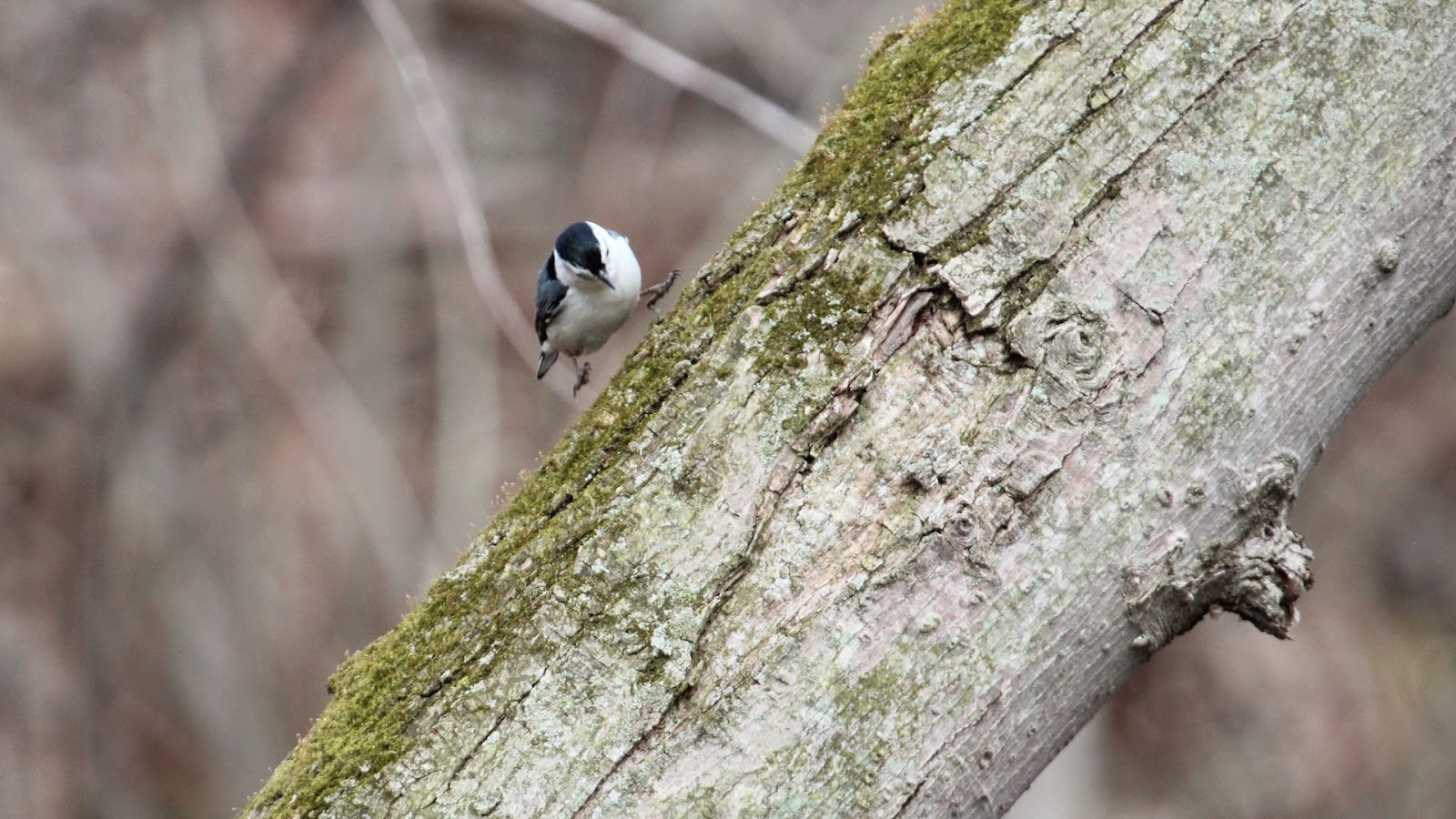
Levitation (from Latin levitas "lightness") is the process by which an object is held aloft, without mechanical support, in a stable position. White breasted nuthatch. Sitta carolinensis

Heard but seldom seen

Image
Generally speaking I find that I hear many more woodcock than I see. At twilight you can see the flight but you can't really see the bird itself. They have  large heads, short necks, and short tails which gives them a bulbous look. Once they go to ground they can be really difficult to see. I watched this one go into a clump of grass and still took a minute to find him. The woodcock is also known as the timberdoodle, Labrador twister, night partridge, and bog sucker. Scolopax minor 

Display behaviour.

Image
I'm assuming this is a breeding/aggression display by a red breasted merganser. There were  a number of males chasing each other. The bird on the left lifted its tail, lowered its stomach and lifted its head. This was followed by the merganser stretching his neck as long and tall as it could. Mergus serrator  source - Cornell Lab of Ornithology.
Way down the bay.

Image
Rondeau Bay finally has open areas, just in time to provided a resting place for migrating tundra swans. Most of the swans seem to have moved elsewhere but there were about 1,000 in the bay. They were approx. 1.5 miles from where I took this photo. The tree line in the distance is the end of the bay and just past them is Lake Erie. Cygnus columbianus Order: Anseriformes Family: Anatidae During the breeding season the Tundra Swan sleeps almost entirely on land, but in the winter it sleeps more often on water. source - Cornell Lab of Ornithology.

Drinking snow

Image
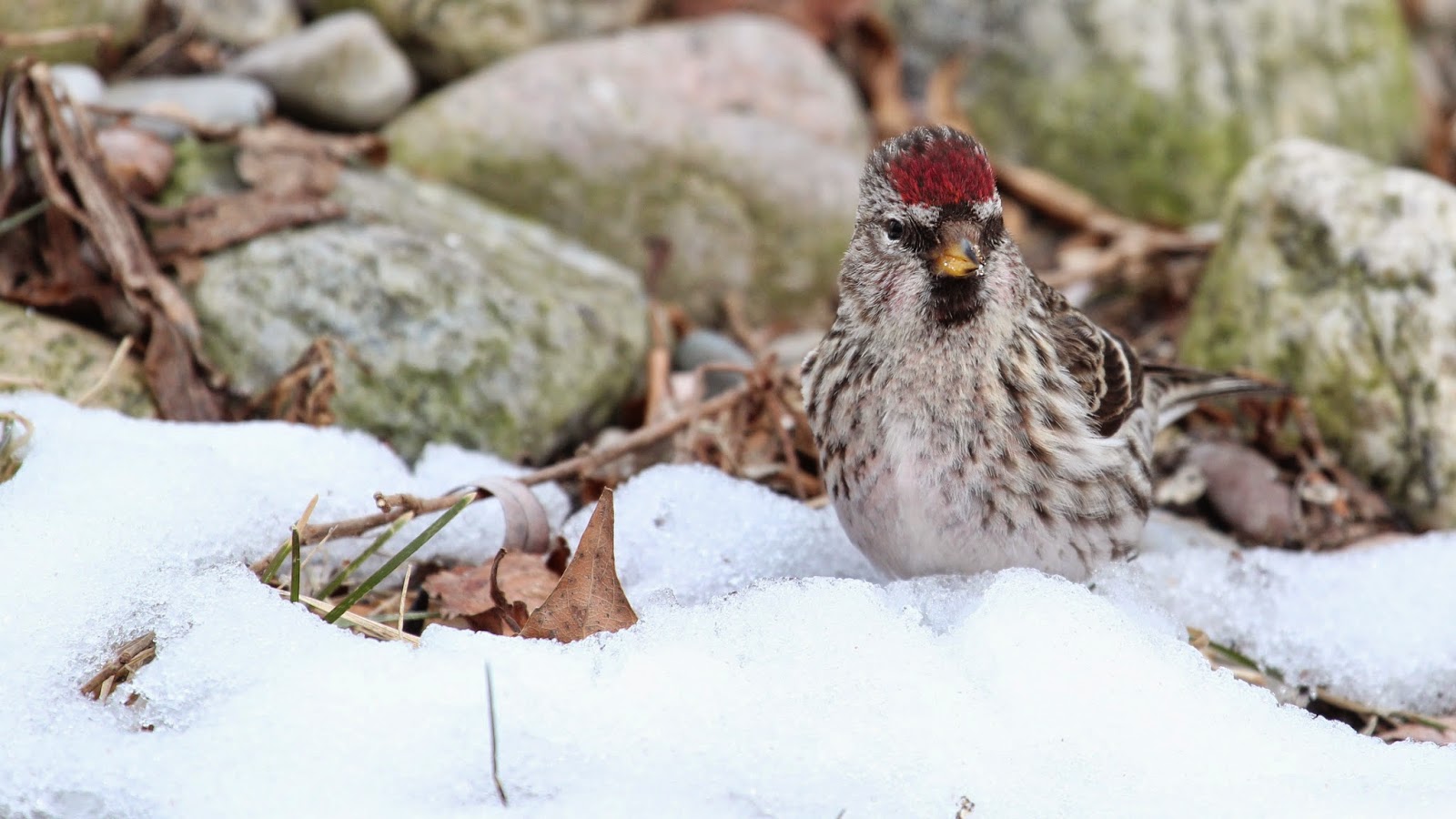
We keep having late spring snow storms. This common redpoll was "drinking" snow. Our small pond is open but rather than drink water he seemed to prefer the snow. Acanthis flammea  Redpolls have throat pouches for temporarily storing seeds. They may fill their pouches with seeds quickly then fly away to swallow the seeds in a more protected, warmer spot.

A regular visitor

Image
We have white-breasted nuthatches year round at our feeders. They are always welcome with decurved, fancy name for up turned, bills. This winter we are seeing them more often along with their smaller relatives the red-breasted nuthatch. It's been a hard winter for all the animals and we are going through more bird seed than usual. Sitta carolinensis In winter, White-breasted Nuthatches join foraging flocks led by chickadees or titmice, perhaps partly because it makes food easier to find and partly because more birds can keep an eye out for predators. One study found that when titmice were removed from a flock, nuthatches were more wary and less willing to visit exposed bird feeders.

Not playing nicely.

Image
This white tailed deer wasn't amused with the wild turkeys eating the seed under the bird feeders. It tried to drive the turkeys away. While he chased this one three others came in behind the deer. We ended up with four deer and five turkeys and an assortment of birds. And one squirrel. The photo was taken through the Wonderful Wildlife Window.

Ice Breaking

Image
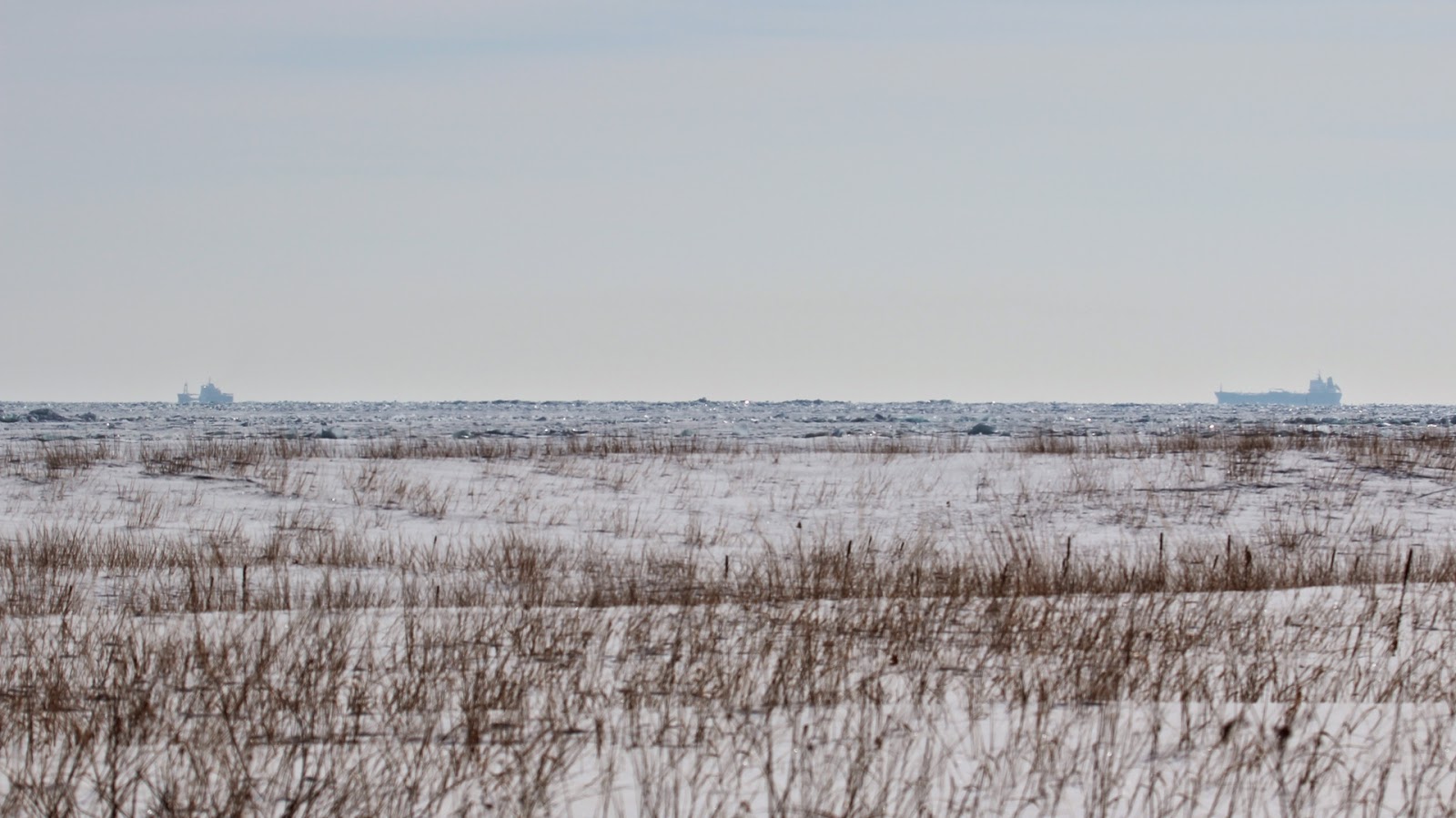
We rarely see the big ships that travel the great lakes from our place. They usually stay much further out as there are shallows near here and the main shipping lane is towards the middle of the lake. Today we saw what appears to be an icebreaker making a path for one of the sea going vessels that come into the great lake system.

Flyby

Image
One of the birds we wanted to see on our Florida trip was a limpkin. It is a marsh/wetland bird that looks similar to a heron it is more closely related to rails and cranes. After we saw one in the marsh we saw them all over, flying by, walking on the road or chasing each other. Aramus guarauna An unusual bird of southern swamps and marshes, the Limpkin reaches the northern limits of its breeding range in Florida. There, it feeds almost exclusively on apple snails, which it extracts from their shells with its long bill. Its screaming cry is unmistakable and evocative. The Limpkin's bill is uniquely adapted to foraging on apple snails. The closed bill has a gap just before the tip that makes the bill act like tweezers. The tip itself is often curved slightly to the right so it can be slipped into the right-handed chamber of the snail. source - Cornell Lab of Ornithology.

Niagra Falls, American Bridal Falls and the Canadian Horseshoe Falls

Image
We were in Niagara falls a few days ago. The American Bridal Falls were mostly frozen and the Canadian Horseshoe Falls were fairly open but the Niagara River was almost entirely frozen over. Back in 1848 the falls actually stopped running due to a huge ice dam on the river. The falls stopped for about 30 hours before the pressure broke the jam.

You know you're in a ritzy neighbourhood when..

Image
their signs are for an elegant bird like the sandhill crane. The ones I usually see are for ducks and occasionally a goose. This was down in Florida near Sarasota.

Hover

Image
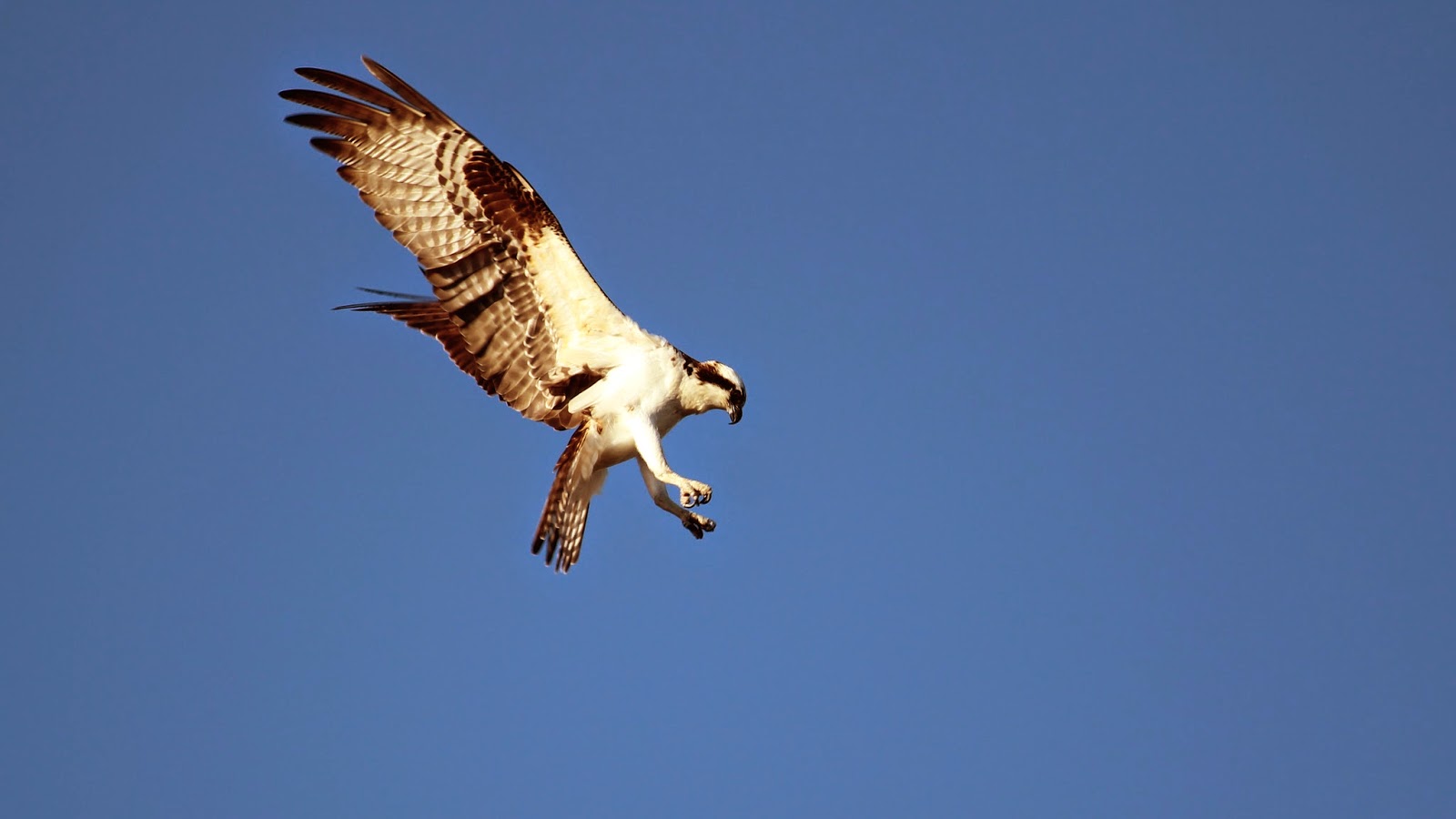
We watched this osprey hunting over a large pool. It would fly along, dip, hover then fly on or dive. We watched him hit the water, go under then come up empty handed, so to speak. Sometimes they are referred to as a fish eagle, probably due to their size, their wingspan can reach 6 feet. Pandion haliaetus Ospreys are unusual among hawks in possessing a reversible outer toe that allows them to grasp with two toes in front and two behind. Barbed pads on the soles of the birds' feet help them grip slippery fish. When flying with prey, an Osprey lines up its catch head first for less wind resistance. The oldest known Osprey was 25 years, 2 months old. source - Cornell Lab of Ornithology

He tends to stand out in a crowd.

Image
We had eleven northern cardinals in the yard yesterday. Cardinals are common around here and tend to be overlooked just like bluejays. Winter would be bland if it weren't for the cardinals and jays. Most of the other birds are dull during the winter. We don't get many during the warmer months, I guess there is enough food that they don't need what we put out. This winter has been hard on the wildlife. We have a turkey that comes to the yard regularly, 6 deer, many squirrels and several rabbits, not to mention raccoons. Cardinalis cardinalis Cardinals don't migrate and they don't molt into a dull plumage. The male cardinal fiercely defends its breeding territory from other males. When a male sees its reflection in glass surfaces, it frequently will spend hours fighting the imaginary intruder. The oldest recorded Northern Cardinal was 15 years 9 months old. source - Cornell Lab of ornithology

From the cottage to the dunes to the great frozen lake.

Image
It’s winter time in Canada and the gentle breezes blow seventy kilometres per hour at thirty five below. Oh, how I love Canada when the snow’s up to your butt you take a breath of winter and your nose gets frozen shut. Yes, the weather here is wonderful I guess I’ll Stick around. I could never leave Canada.. I’m frozen to the ground. author unknown

Black skimmer

Image
We saw lots of these odd birds in Florida but I wasn't able to get a photo of them skimming. Rynchops niger The remarkable bill of the Black Skimmer sets it apart from all other American birds. The large red and black bill is knife-thin and the lower mandible is longer than the upper. The bird drags the lower bill through the water as it flies along, hoping to catch small fish. At hatching, the two mandibles of a young Black Skimmer are equal in length, but by fledging at four weeks, the lower mandible is already nearly 1 cm longer than the upper. source - Cornell Lab of Ornithology.

The Karate Kid

Image
This wood stork appeared to be doing the scene from the Karate Kid. We were hoping to find wood storks while in florida. As we were driving to the birding festival we passed a city park that had about 50 of them standing beside the road. Once in a while it is easy. Mycteria americana

Violence at the marsh

Image
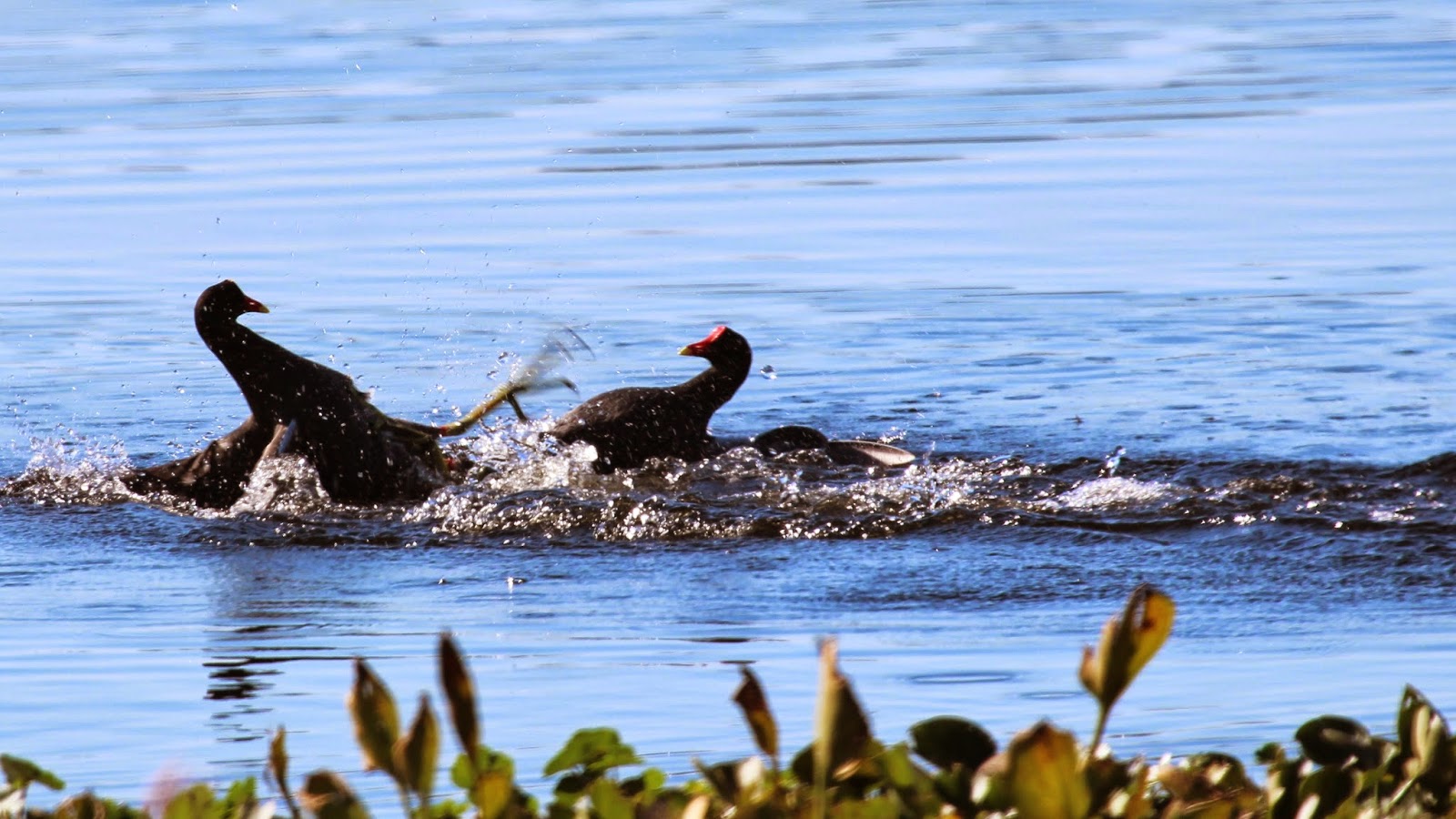
It must be close to breeding time. These common moorhens were going at each other with no holds barred. They seemed to be trying to drown each other. As they look alike I couldn't tell who the winner was. At the end one was chased off. The action was to fast to get a better photo. Gallinula galeata The Common Gallinule has long toes that makes it possible to walk on soft mud and floating vegetation. The toes have no lobes or webbing to help in swimming, but the moorhen is a good swimmer anyway. Newly hatched chicks of the Common Gallinule have spurs on their wings that help them climb into the nest or grab emergent vegetation source - Cornell Lab of Ornithology.