Posts

Showing posts with the label welland canal
Image
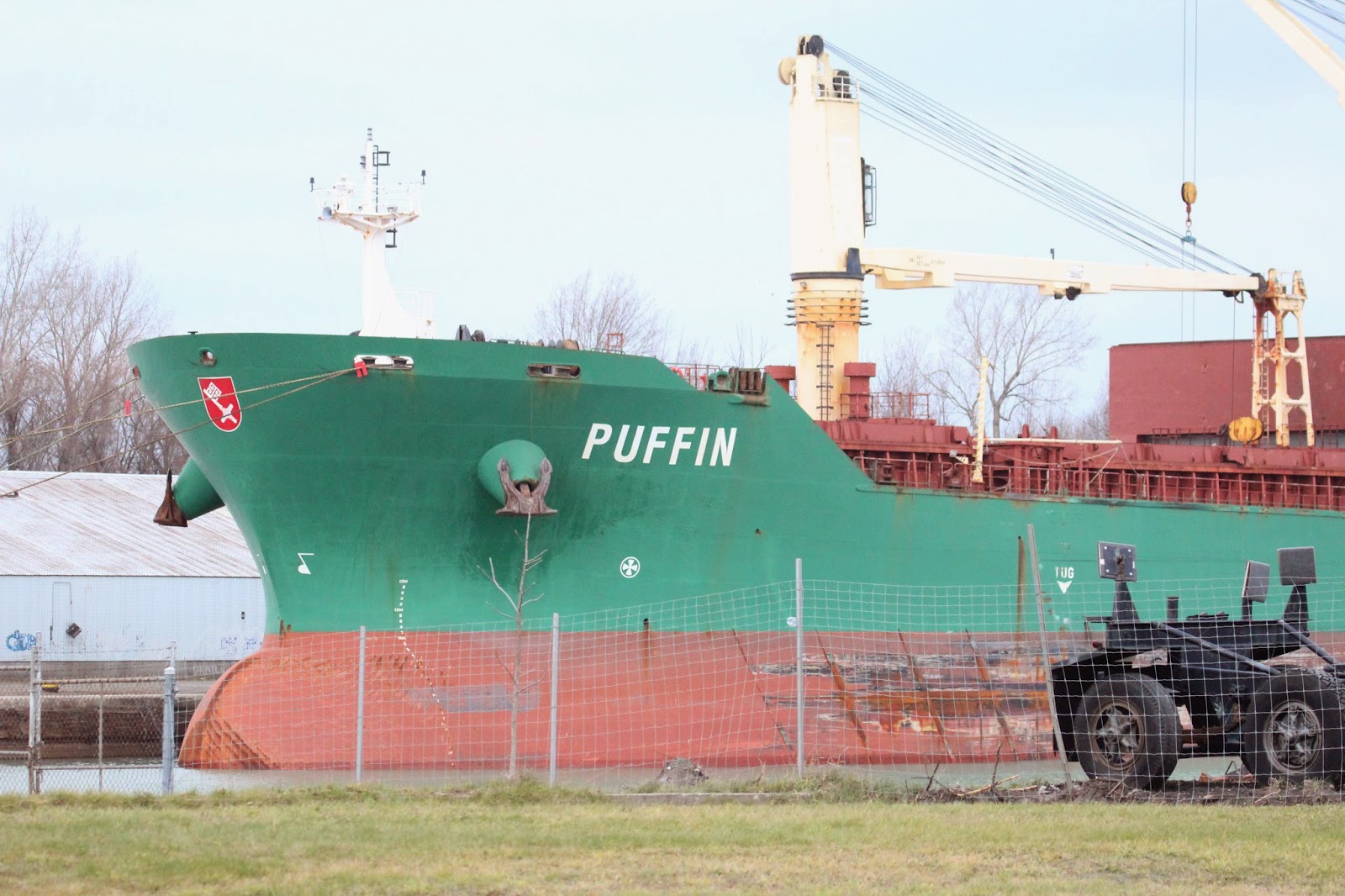
Extremely rare in Canada except for the east coast. We found this rusty puffin near the northern end of the Welland Canal. The Falls which can be hard on ships. so they built the canal to go around them. See Harry we do get them here.

....and that's why they call it a long-tailed duck.

Image
....and that's why they call it a long-tailed duck. , a photo by ricmcarthur on Flickr. When we were birding along the Welland canal we saw long-tailed ducks, both male and female. It seemed that every time I tried for a photo they would dive. At least this time I lucked out and got a shot of its tail. Clangula hyemalis The Long-tailed Duck is one of the deepest diving ducks, and can dive as deep as 60 meters (200 feet) to forage. Of all diving ducks, the Long-tailed Duck spends the most time under water relative to time on the surface. When it is foraging it is submerged three to four times as much as it is on top of the water.

American kestrel

Image
American kestrel , a photo by ricmcarthur on Flickr. This is the first time I've been able to get a decent photo of a kestrel. They tend to be easily spooked and don't let you get close. We were in Port Weller birding along the eastern end of the Welland Canal. The canal joins Lake Erie and Lake Ontario, by-passing Niagara Falls. Lots of ducks, robins, starlings and the kestrel. Falco sparverius It can be tough being one of the smallest birds of prey. Despite their fierce lifestyle, American Kestrels end up as prey for larger birds such as Northern Goshawks, Red-tailed Hawks, Barn Owls, American Crows, and Sharp-shinned and Cooper’s Hawks, as well as rat snakes, corn snakes, and even fire ants. Kestrels hide surplus kills in grass clumps, tree roots, bushes, fence posts, tree limbs, and cavities, to save the food for lean times or to hide it from thieves.